
Piano Basics for Beginners : Everything You Need to Know to Begin
Key Takeaways:
What should parents know about piano basics for beginners before starting?
-
Piano basics for beginners focus on helping children feel comfortable at the keyboard through simple, well-paced steps rather than rushing into complex pieces.
-
Early learning builds confidence by introducing the keyboard layout, basic notes, and relaxed hand positions in a calm, supportive way.
-
Simple songs and steady rhythms allow children to experience success early, keeping learning enjoyable and motivating.
-
Short, consistent practice reinforces what is taught in lessons, supporting gradual progress without pressure or comparison.
-
A structured, encouraging approach reassures parents that their child’s musical foundations are being developed thoughtfully for long-term growth.
Introduction
Learning the piano can feel overwhelming at first, especially for young children and parents who are unsure where to begin. At Huckleberry Music School, learning is treated as a gradual process rather than a race. With clear guidance and a calm pace, the piano basics that beginners learn become enjoyable, allowing confidence to develop naturally over time.
This guide walks parents through the essentials children experience at the start of their piano journey, from understanding the keyboard to building healthy practice habits. Each stage reflects how strong foundations support steady progress while respecting that every child learns differently.
How does a beginner start understanding the piano?
Recognising the keyboard layout builds confidence early
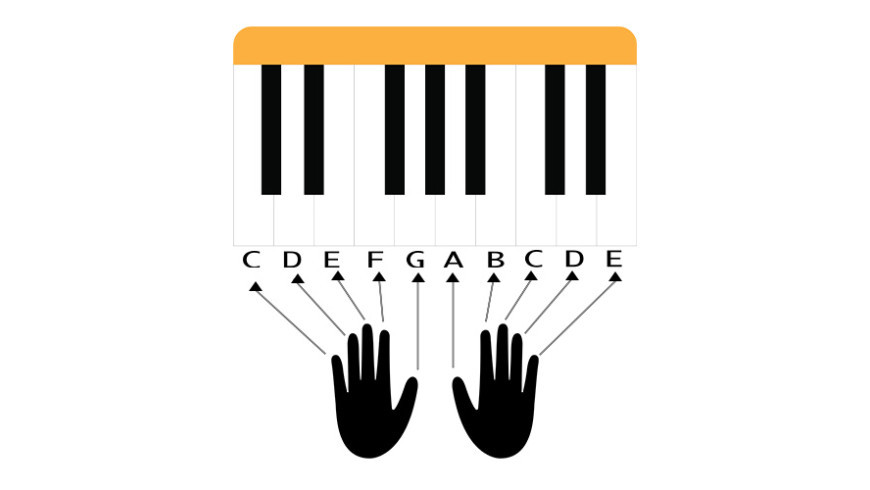
One of the first piano basics for beginners to learn is how the keyboard is organised. Children are introduced to the repeating pattern of black and white keys, which helps them orient themselves visually before playing pieces. Finding middle C gives them a reliable reference point, making early note reading clearer and less intimidating.
This familiarity reduces hesitation during lessons. When children know where notes are located, they can focus on listening and coordination rather than searching for keys.
Understanding octaves supports music reading
As learning progresses, children begin to notice how notes repeat across the keyboard. This helps them connect written music to physical movement, reinforcing the idea that music follows patterns rather than isolated rules. Some children grasp this quickly, while others take more time, and both experiences are entirely normal within early learning.
What should beginners focus on first when playing?
Good hand posture encourages relaxed playing
Proper hand position is introduced early to help children play comfortably and with control. Fingers are gently curved, wrists remain relaxed, and movements are kept natural rather than forced. These habits are reinforced gradually so they settle in without strain, especially for younger learners.
This careful attention supports coordination and comfort as skills develop, allowing children to play with ease rather than tension.
Simple notes lay the foundation for coordination
Beginners work with a small group of notes so they can focus on accuracy and balance between both hands. Lessons progress in manageable steps, guided by the teacher to correct habits early in a calm and encouraging way. Mistakes are treated as part of learning, helping children feel safe to try and improve.
For parents considering piano lessons for beginners in Singapore, this structure offers reassurance that progress is guided thoughtfully rather than rushed.
How do easy songs help beginners progress?
Familiar melodies make learning enjoyable
Simple songs allow children to experience success early. Using a limited range of notes and predictable patterns, these pieces reinforces the piano basics that beginners are learning while keeping learning enjoyable.
Recognising a melody they can play often motivates children to practise willingly rather than out of obligation.Progress may look different from one child to another, but enjoyment remains a consistent sign that learning is taking root.
Rhythm awareness develops musical listening
Rhythm is introduced through steady counting and repetition. Children learn to feel timing rather than rush through notes, which strengthens listening skills and musical awareness. This foundation supports smoother playing as pieces gradually become more varied.
How should beginners practise at home?
Short, regular sessions support steady improvement
Home practice is designed to reinforce what children learn during lessons, not add extra pressure. Short, focused sessions help skills settle naturally and align closely with what has already been introduced by the teacher. This continuity helps children feel secure and confident rather than unsure of what to practise.
Parents are encouraged to support consistency rather than correctness. Musical background is not required, as calm encouragement and routine are often enough to support learning.
Tracking progress builds motivation
Noticing small improvements helps children stay engaged. Playing a piece more smoothly or remembering notes with less effort reinforces confidence and persistence. With steady encouragement and a focus on gradual progress, families give their child the space to learn to play the piano with confidence, enjoyment, and a strong foundation that supports long-term musical growth.
Conclusion
Piano basics for beginners focus on building confidence through simple, well-paced steps that help children feel comfortable at the keyboard from the very start. With patient instruction, thoughtful pacing, and encouragement at home, skills develop naturally over time. This approach reassures families through clear structure and steady guidance, aligning with what many parents value when considering keyboard classes in Singapore.
Explore Huckleberry Music School’s beginner piano programmes and find a learning environment designed to help children grow with confidence from the very first lesson.