
Beginner Piano Mistakes Every New Learner Should Watch Out For
Key Takeaways:
What should beginners know to avoid common pitfalls when learning piano?
-
Many beginner piano mistakes stem from posture, hand position, and lack of focus during practice.
-
Skipping warm-ups and scales can limit finger flexibility and slow progress.
-
Practising without structure or rushing through pieces often reinforces errors instead of building skill.
-
Reading music carefully and understanding rhythm is essential to avoid early mistakes.
-
Mindful, step-by-step practice, guided by skilled instructors, builds confidence and long-term musical growth.
-
Parents can support their children at home by observing lessons, reinforcing good habits, and celebrating small milestones.
Introduction
Starting your piano journey is an exciting adventure, full of discovery and the joy of making music. However, new learners often pick up habits that can slow progress or create frustration. From posture to music reading and practice methods, these common beginner piano mistakes are usually easy to correct with awareness and guidance.
In this article, we highlight the most frequent mistakes new learners face and provide practical, Huckleberry‑specific strategies to keep practice sessions productive, enjoyable, and confidence-building.
Are You Paying Enough Attention to Posture and Hand Position?
Proper Posture Protects Your Hands and Body
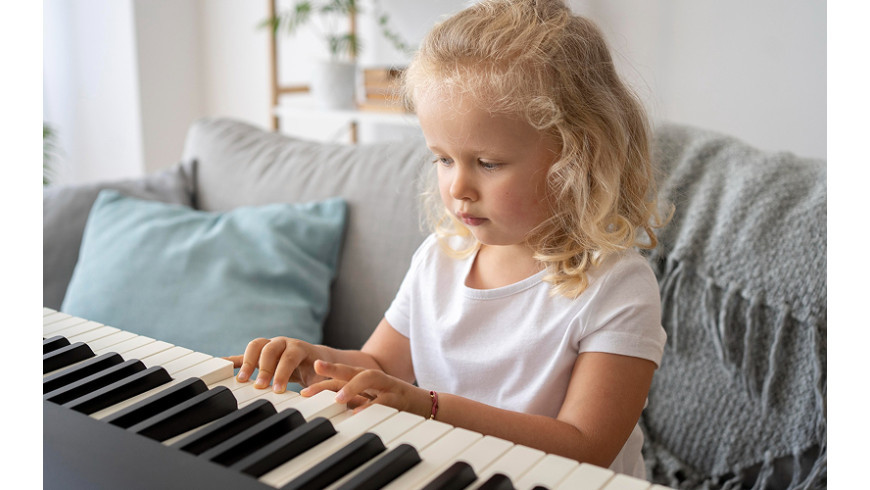
One of the first beginner piano mistakes is overlooking how you sit and position your hands. At Huckleberry Music School, instructors emphasise sitting upright, keeping wrists relaxed, and letting fingers naturally curve over the keys. This supports technical development, prevents strain, and makes playing more comfortable.
Students who learn to play the piano with correct posture experience smoother transitions and are better prepared for more advanced pieces later in the curriculum.
Hands Should Feel Natural Above the Keys
Another frequent issue is gripping the keyboard or collapsing fingers. Hands should hover gently over the keys, with relaxed fingers that move independently. Huckleberry lessons include finger independence drills, such as lifting one finger while keeping others stationary and five-finger patterns on C major. Instructors provide visual aids, diagrams, and demonstration videos, helping students and parents understand correct positioning and develop safe, effective habits from the start.
Are You Skipping Warm-Ups and Scales?
Simple Scales Prepare Fingers and Mind
Many beginners rush straight into songs. Skipping warm-ups and scales is a common beginner piano mistake that limits finger flexibility and coordination. Huckleberry encourages short warm-up exercises, like C major scales, five-finger patterns, and simple arpeggios, before moving on to songs such as “Twinkle Twinkle Little Star” or beginner sight-reading exercises.
Finger Exercises Improve Accuracy and Confidence
Structured warm-ups strengthen finger flexibility and control. Using practice charts aligned with Huckleberry’s step-by-step curriculum, students track progress and focus on achievable goals. Short daily sessions of around 15–30 minutes help reinforce good habits without overwhelming learners, especially younger children.
Are You Practising Without Focus?
Mindful Practice Beats Random Playing
Practising without structure is another widespread beginner piano mistakes pattern that slows progress. Randomly playing through songs often reinforces errors like incorrect notes or rhythms. Huckleberry’s structured sessions ensure each practice has clear objectives like mastering a short passage, improving dynamics, or enhancing timing.
Adults may need slightly longer warm-ups or more emphasis on hand tension, while children may require more frequent breaks or visual guidance.
Small Goals Lead to Long-Term Growth
Breaking pieces into manageable segments allows beginners to notice improvement more clearly. Students at Huckleberry consolidate their learning by reflecting on each lesson’s exercises and celebrating small milestones, which fosters motivation and helps students develop an enduring love for music. Over time, this foundation supports a smoother transition to more challenging pieces as skills develop.
Are You Rushing Through Pieces Too Quickly?
Speed Follows Precision
Many new learners feel tempted to play quickly before accuracy is secure. At Huckleberry, instructors emphasise slow, mindful practice, so notes, rhythm, and hand coordination are established first. This gradual approach strengthens muscle memory and reduces frustration. For example, when learning a piece like “Ode to Joy,” students first play each line slowly, gradually increasing speed while maintaining correct notes and rhythm.
Overcoming Frustration
Mistakes are natural, and beginners often get frustrated with challenging passages. During piano lessons in Singapore, instructors guide students through challenging sections, helping them practise difficult passages slowly and reinforcing correct notes and rhythms. These methods help them rebuild confidence rather than pushing ahead prematurely.
Are You Overlooking Music Reading Skills?
Understanding Notes and Rhythm
Many beginners focus on finger placement but neglect reading music properly. Students may skip note values, misread rhythm, or ignore finger markings. Huckleberry integrates sight-reading exercises into every lesson, helping learners build confidently in reading while playing.
Visual and Learning Style Cues
Instructors use visual aids, coloured note stickers, and highlighted sheet sections to make music reading intuitive. Huckleberry also adapts lessons to different learning styles, be it auditory, visual, or kinesthetic, so each student can engage in the way that works best for them. Parents can reinforce these approaches at home, bridging lessons with daily practice.
Conclusion
Awareness is the first step toward overcoming beginner piano mistakes. By paying attention to posture, warm-ups, focus, reading skills, and precision, new learners can build a strong and enjoyable piano foundation. For parents seeking structured, confidence-building lessons for children or adults, Huckleberry Music School offers lessons that combine warmth, guidance, and steady progress through a step-by-step, structured curriculum.
Finding the right piano instructors nearby ensures that each lesson helps students develop good habits and steady improvement. Whether your child is just starting or an adult learner is returning to the piano, mindful practice and clear guidance make learning both fulfilling and sustainable
Start your musical journey today with Huckleberry Music School.