
How Can I Play The Piano? A Beginner’s Guide for Kids and Adults
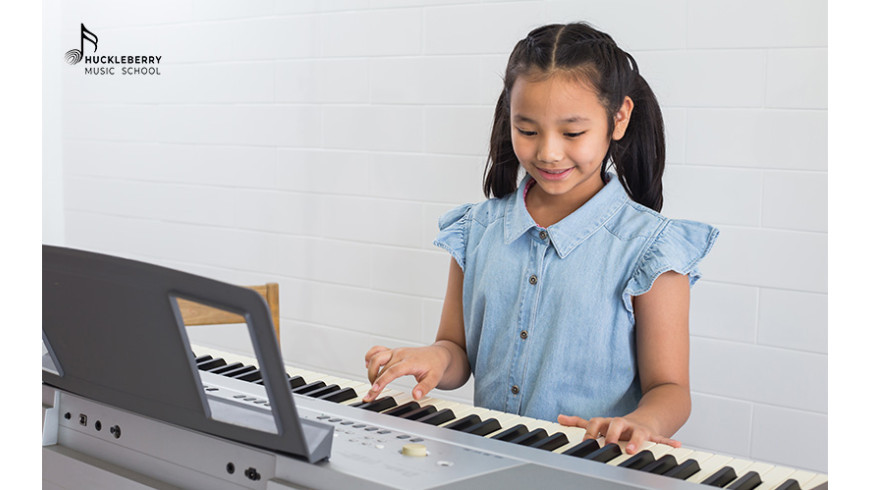
Key Takeaways:
How can I play piano as a beginner with confidence and structure?
-
Learning how to play piano starts with understanding the keyboard layout and basic note relationships, which helps beginners recognise patterns instead of memorising blindly.
-
Building proper posture and relaxed hand position early supports comfort, prevents strain, and makes practice easier to sustain over time.
-
Starting with simple songs and basic scales allows beginners to develop coordination, rhythm, and confidence through small, achievable progress.
-
Short, consistent practice sessions are more effective than long, irregular ones, helping both children and adults stay engaged without pressure.
-
A supportive and structured learning environment encourages steady progress, helping beginners enjoy the piano and build strong musical foundations at their own pace.
Introduction
Learning to play the piano is one of the most rewarding experiences for both children and adults. For many families in Singapore, the question often begins with how can I play piano in a way that feels encouraging, structured, and achievable. This guide is written for parents supporting a child’s first musical steps, as well as adults who are starting from scratch or returning after a long break. No prior experience is needed. What matters most is beginning with the right foundations and building confidence steadily over time.
At Huckleberry Music School, piano learning is approached with care and intention. Lessons are designed to help beginners understand the instrument, develop healthy playing habits, and enjoy music-making without pressure. By focusing on clear progression and encouragement, students are guided to grow at a pace that feels comfortable and motivating.
How do beginners start learning the piano?
Understanding the keyboard and basic note relationships
.jpg)
A practical first step in answering how I can play piano is learning how the piano keyboard is organised and how notes relate to one another. Beginners are first introduced to the repeating pattern of white and black keys, which helps them understand that the keyboard is not random but structured. Middle C is commonly used as a visual and musical reference point, allowing learners to orient themselves on the keyboard and recognise where notes sit in relation to each other.
As students become familiar with these patterns, they begin to see how notes move step by step across the keys and how simple melodies are formed. This early understanding of note placement and movement helps learners make sense of exercises and beginner pieces without relying on guesswork. These early piano fundamentals are especially helpful when introducing piano basics for kids and adults, as they give both age groups a clear and reassuring framework for following lessons, practising at home, and approaching new pieces with confidence.
Listening, observing, and building musical awareness
Early piano learning is not only about pressing the right keys. Beginners are encouraged to listen closely to pitch changes and observe how melodies move across the keyboard. This strengthens musical awareness and prepares students for reading music later, without rushing into complexity.
Why are posture and hand position important from the start?
.jpg)
Forming healthy habits that support long-term progress
Many beginners underestimate how important physical habits are when learning the piano. Sitting at the correct height, keeping shoulders relaxed, and allowing wrists to move freely help prevent unnecessary strain and stiffness. These basics are especially important for young learners, whose coordination and strength are still developing, as early habits tend to carry through into later stages of learning.
When posture and hand position are established properly, practice becomes easier to sustain. Fingers can move more smoothly across the keys, transitions between notes feel less awkward, and learners are less likely to feel tired or frustrated during practice sessions. Over time, this physical ease makes beginner piano practice more productive, helping students stay attentive and enjoy playing without feeling tense or fatigued.
Creating a safe and encouraging learning experience
A supportive learning environment matters just as much as technique. Beginners, especially children, need to feel comfortable making mistakes as part of the learning process. Encouragement and gentle correction help build confidence and keep motivation strong, laying the foundation for long-term musical growth.
What should beginners practise first on the piano?
Starting with simple songs and basic scales
Rather than attempting complex pieces too early, beginners benefit from learning easy melodies and basic scales. These early pieces help develop finger coordination, reinforce note recognition, and build a steady sense of rhythm. As learners experience small, achievable successes, they begin to understand how they can play the piano step by step, without feeling rushed or overwhelmed.
For children, familiar-sounding tunes keep lessons engaging and enjoyable. For adults, simple pieces provide clear progress and reduce frustration, making it easier to stay motivated and consistent.
Learning with structured guidance and support
While self-exploration can be enjoyable, beginners often progress more smoothly with clear guidance. Structured lessons help learners avoid confusion and prevent poor habits from forming. Working with experienced piano teachers allows each student to receive appropriate pacing, clear feedback, and steady encouragement based on their individual needs, an approach that many families in Singapore value when choosing piano teachers.
How often should beginners practise the piano?
Building consistency into daily routines
Parents often wonder how much practice is “enough.” In reality, consistency matters more than duration. Short, focused sessions of 15 to 20 minutes help reinforce learning and improve concentration over time. This rhythm of regular practice fits naturally into family schedules and complements the structured support provided through piano lessons for beginners in Singapore, without adding unnecessary pressure.
Managing expectations and celebrating progress
Progress looks different for every learner. Some children gain confidence quickly, while others take time to feel comfortable. Adults may revisit concepts more thoughtfully. What matters is steady improvement, not speed. Celebrating small milestones helps students stay motivated as they continue to learn to play the piano with confidence and enjoyment.
Conclusion
So, how can I play piano in a way that feels achievable for both children and adults? The answer lies in starting with strong fundamentals, forming healthy habits, and learning within a supportive environment that values progress over perfection. With structured guidance, realistic expectations, and consistent practice, beginners can develop confidence and musical understanding at their own pace. When early experiences are positive and encouraging, the piano becomes not just an instrument to learn, but a source of long-term enjoyment and growth. To explore whether this learning approach suits your child or your own goals, contact Huckleberry Music School for more information.