
How to Build a Consistent Piano Practice Routine That Works
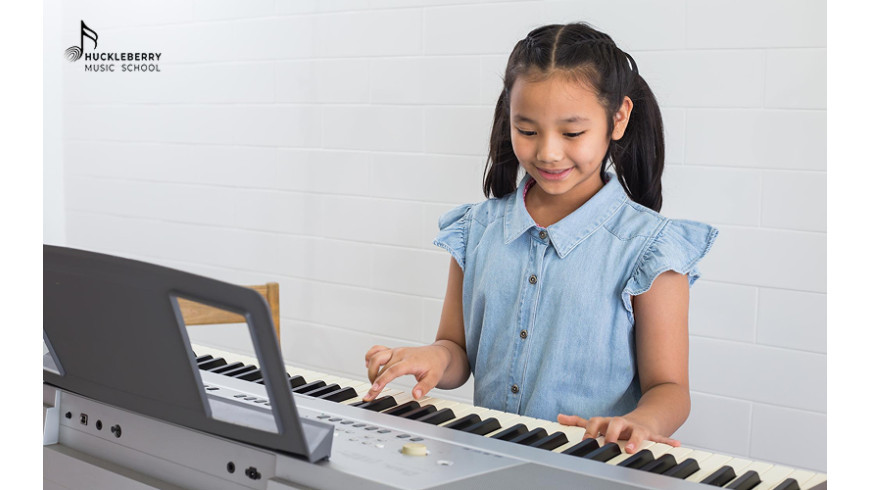
Key Takeaways:
How can parents build a piano practice routine that truly works for their child?
-
A consistent routine helps children make steady progress by strengthening focus, coordination, and confidence through regular, manageable practice.
-
Short, predictable sessions are more effective than long ones, especially when practice timing matches a child’s energy levels and daily rhythm.
-
Clear, age-appropriate goals and a balanced mix of warm-ups, pieces, and enjoyable playing keep learning structured without pressure.
-
Reflection through simple logs or recordings supports motivation by highlighting effort and improvement rather than mistakes.
-
A calm home environment and supportive guidance from parents and teachers help children develop independence and a positive, long-term relationship with music.
Introduction
Consistency is often the missing link between starting piano lessons and seeing meaningful progress. Many beginners struggle not because they lack ability, but because practice feels irregular, rushed, or emotionally draining. A thoughtfully designed piano practice routine helps children build coordination, focus, and confidence without turning music into a source of pressure.
When practice is predictable and supportive, even short sessions can lead to steady improvement. This guide shares how parents in Singapore can create habits at home that align with how children naturally learn and stay motivated.
Why does consistency matter more than long practice sessions?
Regular engagement matters more than the number of minutes spent at the piano. A consistent piano practice routine helps children feel familiar with their instrument, which lowers resistance and makes starting easier. Over time, repetition supports muscle memory development, allowing movements and patterns to settle naturally rather than feeling new each day.
Consistency should also be understood as continuity rather than rigidity. Missing a day occasionally is normal and does not undo learning. What supports progress is returning calmly to practice, reinforcing the idea that learning is steady and forgiving rather than fragile.
Small, age-appropriate goals build confidence
Children benefit most from goals that match their developmental stage. Younger learners may focus on posture, finger numbers, or short patterns, while older children can work towards smoother phrasing or continuity across sections. These milestones support long-term musical development and help children experience progress regularly.
At Huckleberry Music School, lesson content sets the direction for what children practise at home. Practice between weekly lessons is not about teaching new material independently, but reinforcing specific focus areas introduced by the teacher.
How can families build a regular practice schedule?
A sustainable routine grows from predictability. Choosing a regular time for practice helps children see piano as part of daily life rather than an extra task. This makes a piano practice routine easier to maintain alongside school and family commitments.
Match practice time to your child’s energy
Some children focus better shortly after school, while others benefit from a short break before practising. The key is choosing a time when your child feels settled rather than rushed. Paying attention to when your child is most alert helps practice feel calmer and more productive.
Keep sessions short and flexible
Short, focused sessions are often more effective than long ones, especially on school days. Ending practice with a familiar or enjoyable piece helps children associate effort with success. Flexibility also matters—on more demanding days, a shorter session still reinforces continuity without creating frustration.
What should a balanced practice session include?
A well-structured piano practice routine includes variety without feeling complicated. Clear sections help children stay engaged and understand how different skills connect.
Warm-ups prepare both hands and mind
Simple scales and finger exercises help children develop coordination and control. Introduced gradually, these warm-ups prepare the body for playing while supporting focus and confidence.
Pieces reinforce learning through enjoyment
Working on current songs allows children to apply what they have learned in lessons. Ending with a familiar piece keeps learning enjoyable, which is especially important for children who are only just beginning to learn to play the piano. Listening to familiar pieces outside practice time can also support musical awareness without adding pressure.
How can progress be tracked without creating pressure?
Progress becomes more meaningful when children can see how far they have come. Simple tracking methods help make improvement visible without turning practice into evaluation.
Reflection supports motivation
A brief practice log or an occasional short recording allows families to notice improvement over time. These tools are for reflection rather than correction. Teachers encourage parents to focus on effort and consistency, helping children remain emotionally engaged with learning.
This approach also supports families who are considering piano lessons for beginners in Singapore, where steady progress is prioritised over performance-driven practice.
How can parents support practice while encouraging independence?
Parents play an important role as facilitators rather than instructors. In the early stages, gentle reminders and shared routines help children stay on track. Over time, independence develops gradually, guided by readiness and confidence rather than age alone.
Create a calm and supportive environment
A quiet, familiar space helps children focus. Emotional environment matters just as much. Allowing pauses, acknowledging frustration, and avoiding comparison supports resilience and patience. This balanced partnership between families and experienced piano teachers in Singapore helps children feel guided rather than pressured.
Conclusion
A consistent piano practice routine is built on predictability, flexibility, and emotional reassurance. When practice feels supportive rather than rigid, children develop confidence, independence, and comfort with learning over time. These habits extend beyond music, supporting focus, patience, and self-directed effort in daily life.
Explore Huckleberry Music School’s piano programmes to see how structured guidance and encouragement work together to support steady progress.