
The Importance of Music Theory Lessons in Piano Learning
Key Takeaways:
Why is music theory important in piano learning for young children?
-
The importance of music theory lies in helping children understand how notes, rhythms, and patterns work together, rather than relying on memorisation alone.
-
Music theory builds confidence by allowing students to make sense of challenges and progress steadily, even when learning feels less obvious.
-
A clear understanding of theory supports better sight reading, stronger memory, and calmer, more independent practice at home.
-
Theory encourages creativity by giving children the tools to explore music freely and express themselves with confidence.
-
When taught gradually alongside piano playing, music theory supports long-term musical growth without pressure or competition.
Introduction
Many beginners approach piano by focusing on familiar songs, hoping that repetition alone will lead to progress. While this can feel satisfying at first, it often leaves children unsure of what they are actually playing. The importance of music theory lies in giving students the language behind the music, helping them understand notes, rhythm, and structure rather than relying on imitation. At Huckleberry Music School, theory is introduced in a calm, age-appropriate way that supports enjoyment, confidence, and steady development for children learning piano in Singapore.
For parents, theory can sometimes sound intimidating or overly academic. In practice, it plays a reassuring role. Children do not need any prior knowledge before starting piano. Musical understanding develops naturally alongside playing, guided by the teacher at a pace that suits each student. This makes music theory for beginners easier to approach and less overwhelming. This approach allows learning to feel accessible from the very first lesson, without pressure or expectation.
Why does understanding music theory matter in early piano learning?
Building a musical foundation that grows with the child
The importance of music theory becomes most visible when students stop memorising and start understanding. Learning how notes, chords, and rhythms relate allows children to recognise patterns and anticipate musical movement. This strengthens the basics of piano learning, giving students a sense of direction rather than leaving them dependent on constant correction.
At Huckleberry Music School, theory is woven directly into piano lessons rather than taught as a separate subject. Younger children may begin with simple awareness such as recognising note direction or rhythmic groupings, while older beginners gradually develop a clearer understanding of scales and harmony. Teachers introduce each concept only when a child is ready, ensuring progress feels steady and achievable.
Supporting confidence during slower learning phases
Every child experiences moments when progress feels less obvious and this is where music theory quietly supports confidence. During these stages, understanding how music works helps students make sense of challenges instead of feeling discouraged. When children can see why a passage feels difficult, they are more likely to stay engaged and patient with themselves.
How does music theory support reading, memory, and confidence?
Improving sight reading through understanding
Knowing how scales, intervals, and key signatures work makes reading music far less intimidating. Students in Singapore who receive structured music theory lessons learn to recognise familiar patterns on the page, helping them approach new pieces with confidence. Instead of guessing, they understand where the music is heading, which supports accuracy and calm focus during lessons.
Strengthening memory and independence at home
Theory also supports recall. When children understand why notes belong together, they remember music more naturally and rely less on repetition. This understanding reduces frustration and builds independence, making practice sessions at home smoother and more focused. Parents can often see these improvements firsthand, giving them confidence in the value of theory lessons.
Can music theory encourage creativity rather than limit it?
Creating space for expression and exploration
The importance of music theory extends beyond technique and reading. Understanding harmony and structure gives students the confidence to explore sound creatively. Simple improvisation, small variations, or composing short ideas become possible when children know how music fits together. Theory provides the tools, while creativity brings them to life.
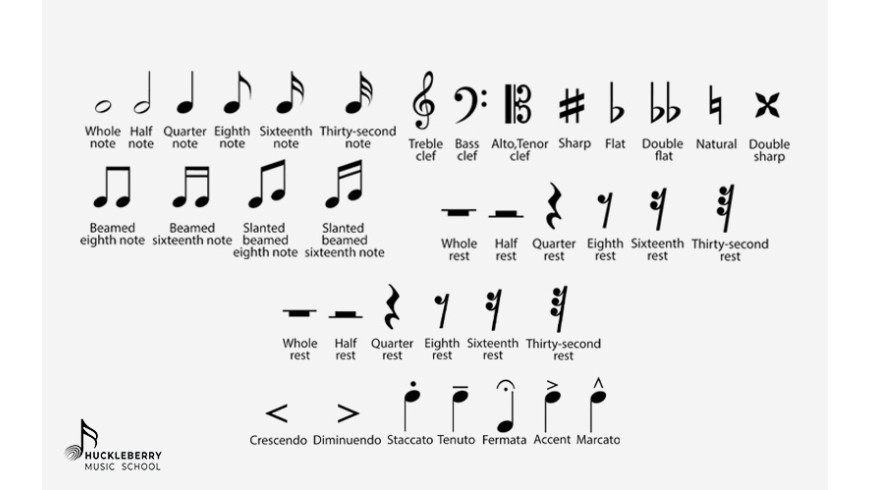
At Huckleberry Music School, teachers introduce these ideas gently so that creativity feels safe and enjoyable. Supported by a clear grasp of basic music notation, students learn that theory is not restrictive. It allows them to experiment with confidence rather than uncertainty.
Supporting long-term musical growth without pressure
As children progress, theory supports deeper musical understanding and prepares them for more advanced learning at a comfortable pace. Guided by experienced piano teachers in Singapore, students develop skills that adapt as they mature, without being tied to competition or performance-driven outcomes. This long-term view reflects the importance of music theory in piano education.
Conclusion
Piano learning is most rewarding when children understand what they are playing and why it sounds the way it does. The importance of music theory lies in how it quietly supports confidence, enjoyment, and steady progress, even during challenging phases. For parents seeking a warm, structured, and reassuring approach to music education, contact Huckleberry Music School to learn more about an environment where theory and practice are thoughtfully balanced, helping children build musical foundations they can rely on as they grow.